Dental Implants - Lacey, WA
Rebuilding Your Smile With Dental Implants

What Are Dental Implants?
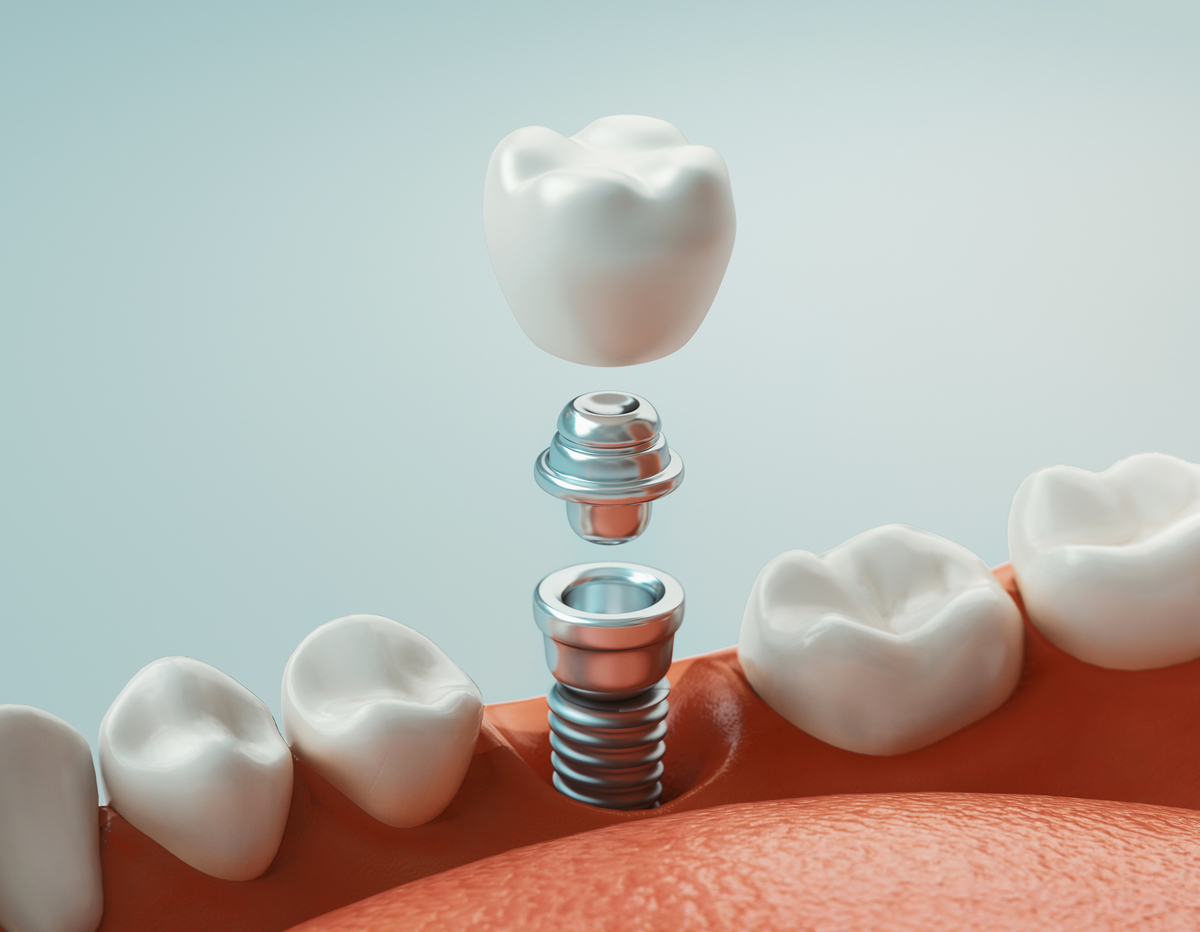
Dental implants are small titanium devices that replace missing teeth in a secure, natural-looking way. Each implant has three main parts: the post, the abutment, and the crown. The post is a titanium screw gently placed into the jawbone to act as a new root. Because it is biocompatible, the surrounding bone can bond to it during healing. The abutment connects the post to the crown. The crown is the visible part above the gums, shaped and shaded to blend with your other teeth for a seamless smile.

The Implant Process
Getting dental implants is a step-by-step process that usually takes several weeks or months. Your exact timeline will depend on how many implants you need, the type of restoration planned, and whether any preparatory care is recommended. At Tranquility Dental Wellness Lacey, a typical implant process includes:
- Complimentary Consultation
Your implant journey begins with a complimentary consultation. During this visit, we review your medical and dental history, examine your teeth and gums, and may take digital X-rays or a CBCT scan to check your jawbone. We talk about your goals and go over options such as single implants, implant-supported bridges, or All-on-4. You will have time to ask questions so you can feel informed and comfortable about your choices. - Preliminary Treatment
Some patients are ready for implant placement right away, while others benefit from a bit of preparation first. Preliminary treatment can include removing damaged teeth, treating gum disease, improving bone support, or completing a deeper cleaning. These steps create a stable, healthy foundation so your implants can heal well and last. We clearly explain each recommendation and help schedule treatment around your life in Lacey. - Implant Placement
On the day of surgery, the area is carefully numbed so you stay comfortable throughout the visit. Using your personalized treatment plan, the dentist gently places the titanium implant post into the jawbone at the right angle and depth. If you are receiving multiple implants or an All-on-4 style restoration, each post is positioned to give your new teeth balanced, reliable support. Before you leave, we review after-care instructions and what to expect during the first few days of healing. - Healing Phase
After placement, your jawbone begins to fuse with the implant in a process called osseointegration. This healing stage usually lasts from several weeks to a few months, depending on your health and how many implants you have. During this time, you may wear a temporary crown, bridge, or denture so you are not left with visible gaps. We schedule follow-up visits to monitor healing, answer questions, and keep you as comfortable as possible. - Final Steps
When your implant has fully integrated with the bone, we move into the final phase. An abutment is attached to the implant post, and your custom crown, bridge, or full-arch appliance is placed and adjusted. We fine-tune your bite, show you how to clean around your implants at home, and schedule regular checkups to protect your new smile. At this point, your implant should look, feel, and function much like a natural tooth, so you can enjoy meals and conversations with confidence again.
Single Implants
A single dental implant is used to replace one missing tooth in a way that looks and feels very natural. Even one gap can affect your bite. Teeth near the space may drift out of position, and the tooth above or below may start to move down or up without a partner tooth to chew against. Over time, this can impact your whole smile, whether you are at home in Lacey or commuting through the South Sound.
A single implant restores the full structure of the missing tooth and helps keep nearby teeth stable. Each implant includes three important parts:
The post — holds the implant in your jawbone and helps keep the bone active
The abutment — connects the post to the crown with strong, secure support
The crown — rebuilds your smile with a durable, custom-made artificial tooth
Once healed, the implant becomes part of your everyday routine. You brush and floss like normal. With good home care and regular checkups, the implant can last for many years, and the crown usually only needs to be replaced every 10 to 15 years.
Implant-Supported Bridges
Implant-supported bridges replace several missing teeth in a row and are a great option if you have a larger space in your smile. They are different from traditional bridges in a few key ways:
With implants, we do not need to file down or crown the neighboring teeth. Your natural teeth stay intact while we close the gap and protect healthy enamel.
Because the implants are set into the jawbone, they send healthy stimulation into the bone when you chew, which helps maintain bone strength and shape.
Instead of resting on nearby teeth, the bridge attaches to implants placed on either side of the space. As with single implants, each section connects to an implant post and abutment, keeping the bridge steady and restoring the look and function of three or more missing teeth.
All-On-4 Implants
If you are missing most or all of your teeth on the upper or lower arch, All-on-4 implants can offer a fresh start. This method replaces a full set of teeth using just four carefully positioned implants.
Our dentists use CBCT imaging to plan where each implant post should go. This allows us to select areas with strong bone support so your new smile stays secure whether you are out near Woodland Trail, Rainier Vista, or running errands around Lacey and Olympia.
All-on-4 is similar to implant-supported dentures, but the final bridge stays fixed in place instead of being removable. Many patients like that this feels closer to natural teeth and is easier to care for day to day.
With good brushing, flossing, and regular visits, dental implants are made for long-term success, and well-maintained All-on-4 restorations can often last 20 years or more.
Frequently Asked Questions
What are the main benefits of dental implants?
Dental implants closely mimic natural teeth, restore comfortable chewing and speaking, and stay fixed in place. They also help support your jawbone and maintain a natural facial profile.
How long do dental implants last?
With good home care and routine dental visits, the implant posts are designed to last for many years, often decades. The crowns or bridges attached to them may need to be replaced over time as they wear, similar to standard crowns.
Are dental implants hard to take care of?
No. You care for implants much like natural teeth. Daily brushing, flossing, and regular professional cleanings are usually all that is needed. There are no removable parts, adhesives, or soaking solutions.
Do dental implants help prevent bone loss?
Yes. Implants act like artificial roots and stimulate the jawbone when you chew. This healthy pressure helps slow or reduce the bone loss that often occurs after a tooth is removed.
How much do dental implants cost in Lacey?
Costs vary based on how many teeth are being replaced, the type of restoration, and whether you need extra steps such as extractions or bone grafting. We need to examine your mouth and review images to provide an accurate estimate. During your consultation, we share a personalized treatment plan and a clear cost breakdown.
How do I know if dental implants are right for me?
You may be a good candidate if you are missing one or more teeth, prefer a fixed solution over removable dentures, and have healthy gums and enough bone (or are open to grafting). Our team will review your health history, take any needed X-rays, and discuss your goals to recommend the best options for your smile.