Dental Implants - Tumwater, WA
Creating Your Best Smile With Dental Implants

Experience. Affordable. Luxury.
There is no single approach that works for everyone when it comes to dental care. We shape our services around your unique smile, needs, and goals. Our team focuses on flexible, personalized treatment so we can support the priorities and budget of each of our valued patients. We offer the latest advances in dentistry in a soothing, spa-like setting designed to help you feel relaxed, cared for, and at home.
What Are Dental Implants?
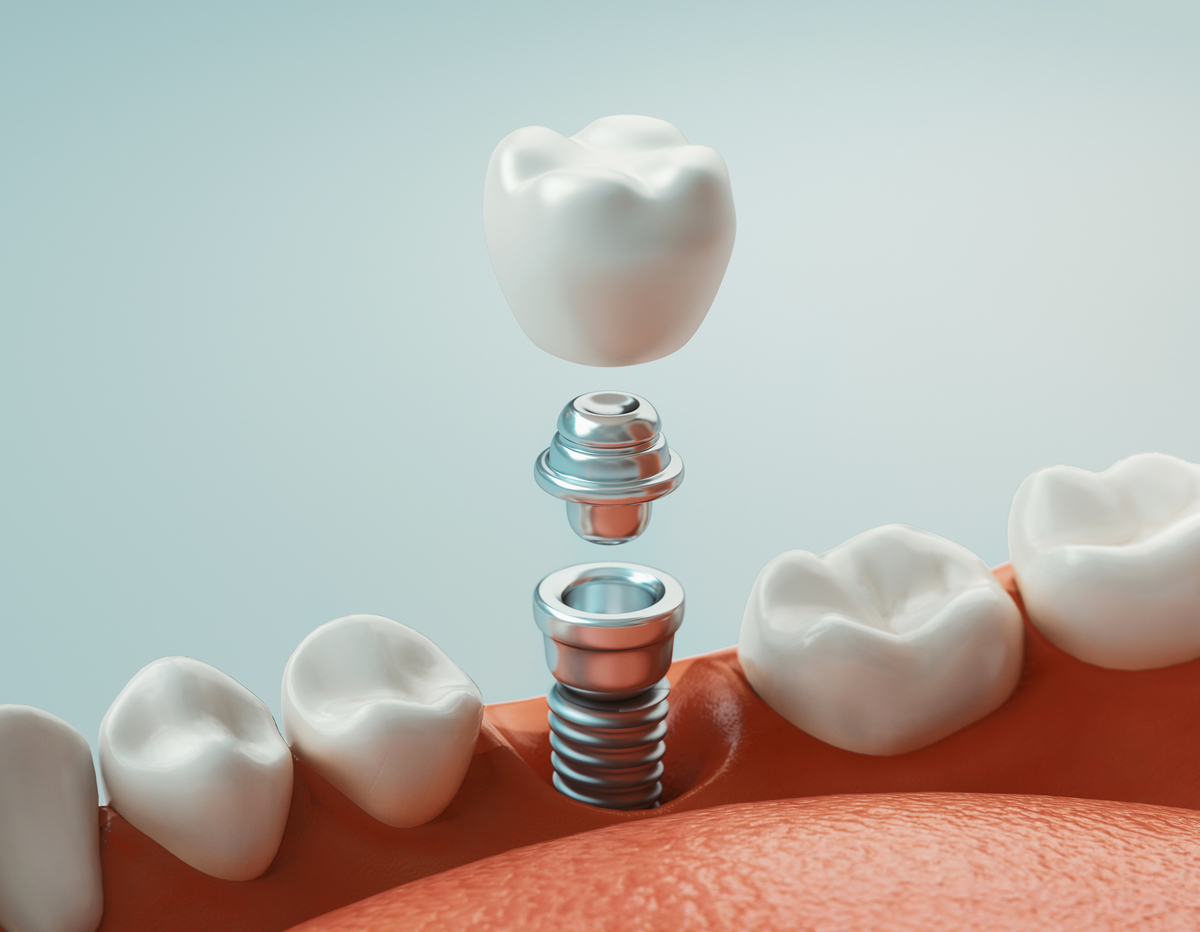
Dental implants are small surgical devices used to replace missing teeth. Each implant has three parts: the implant post, the abutment, and the custom crown. The implant post is a titanium screw that is gently placed into the jawbone to act as a strong artificial root. Because it is biocompatible, the bone can fuse to the post as it heals. The abutment is the connector that attaches the post to the crown. The crown is the visible part of the implant, carefully crafted to match the color and shape of your surrounding teeth.

The Implant Process
- Complimentary Consultation
Every implant journey begins with a complimentary consultation. During this visit, our doctors review your health history, examine your teeth and gums, and may take digital images or a CBCT scan to evaluate your jawbone. We talk through your goals, explain your options such as single implants, implant-supported bridges, or All-on-4, and answer all of your questions. - Preliminary Treatment
Some patients are ready for implant placement right away, while others may need a little extra care first. Preliminary treatment can include removing damaged teeth, treating gum disease, performing a bone graft, or completing a deep cleaning. - Implant Placement
On the day of your implant surgery, the area is carefully numbed so you stay comfortable from start to finish. The dentist gently places the titanium implant post into the jawbone at a precise angle and depth based on your custom treatment plan. - Healing Phase
After placement, your jawbone begins to bond with the implant post in a natural process called osseointegration. This healing phase usually takes several weeks to a few months. During this time, you may wear a temporary crown, bridge, or denture. - Final Steps
Once your implant has fully integrated with the bone, an abutment is attached to the implant post, and your custom-made crown, bridge, or full-arch appliance is securely placed on top. We carefully adjust your bite and review how to care for your new restoration at home.
All-On-4® Implants
If you are missing a full arch of teeth, All-on-4 may be a great option. This treatment is designed to replace all the teeth in one arch using just four strategically placed dental implants.
Our dentists carefully plan the position of each implant post using a CBCT scan, choosing locations with the best bone support and density so the restoration is stable and long-lasting.
All-on-4 stays fixed in place, unlike removable dentures. Many patients find this feels more like natural teeth and is easier to care for day to day. With proper care, well-maintained All-on-4 restorations can often last up to 20 years.
Implant-Supported Bridges
Implant-supported bridges are used to replace several missing teeth in a row. There are a few important differences from traditional bridges:
- With implants, the neighboring teeth do not need to be shaped or crowned. Your natural teeth stay untouched while we close the gap and protect healthy tooth structure.
- Because the implants are anchored to your jawbone, they provide natural stimulation to keep the bone strong and help prevent bone loss.
- An implant-supported bridge connects to implants placed on either side of the empty space, restoring the appearance and function of three or more missing teeth.
Single Implants
A single dental implant is designed to restore one missing tooth. Many patients are surprised by how much trouble a single missing tooth can cause. Nearby teeth may drift into the empty space, creating misalignment across the whole arch.
A single implant helps prevent these problems by replacing the entire structure of the lost tooth. Each implant contains three main parts:
- The post — anchors the implant in the jawbone and helps stimulate the bone
- The abutment — connects the post to the crown with solid strength and stability
- The crown — restores the look and function of your smile with a durable, custom-made artificial tooth
Once the implant is in place, it becomes part of your daily routine with no extra steps. With good home care and regular checkups, the implant can last for many years, and the crown typically needs replacing only every 10 to 15 years.
Frequently Asked Questions
What are the main benefits of dental implants?
Dental implants look and feel like natural teeth, restore your ability to chew and speak, and do not slip or move. They also help protect your jawbone and support a more youthful facial shape.
How long do dental implants last?
With good home care and regular dental visits, the implant posts are designed to last many years, often decades. The crowns or bridges on top may need to be replaced over time due to normal wear.
Are dental implants hard to take care of?
No. You brush and floss implants just like natural teeth and keep up with your regular cleanings. There are no removable parts, special adhesives, or soaking routines.
Do dental implants help prevent bone loss?
Yes. Because implants act like artificial tooth roots, they stimulate your jawbone when you chew. This helps slow or prevent the bone shrinking that often happens after tooth loss.
How much do dental implants cost in Tumwater?
Cost depends on how many implants you need, the type of restoration, and whether you need extra steps like extractions or bone grafting. A consultation is needed to examine your jawbone and provide a personalized estimate.
How do I know if dental implants are right for me?
You may be a good candidate if you are missing teeth, want a fixed solution instead of a removable denture, and have healthy gums and enough bone (or are open to grafting). A dentist will review your health, goals, and X-rays to confirm your options.